EU Health Ministers Advocate for Increased Funding for Critical Medicines
Ministers emphasize the need for sustainable financing mechanisms to ensure the availability of essential medications across Europe.
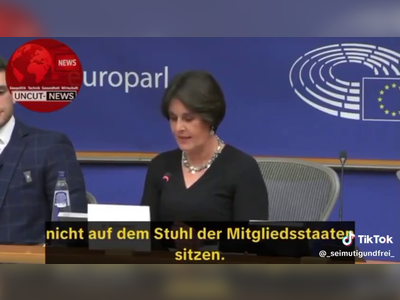
In a recent meeting, European Union health ministers convened to address the pressing issue of financing for critical medicines.
The ministers expressed concern over the supply chain vulnerabilities laid bare by the COVID-19 pandemic, highlighting the necessity for a robust framework to ensure ongoing availability and affordability of essential medications throughout the bloc.
Several ministers pointed to the disparities in access to medicines among EU member states and noted the urgent requirement for coordinated action to tackle these challenges.
The discussion centered around sustainable funding mechanisms that could enhance the ability of national health systems to stockpile and distribute vital pharmaceuticals.
Proposals included the establishment of a European Medicines Fund, designed to pool resources from member states to safeguard supply chains and incentivize the production of essential drugs.
This initiative aims to mitigate risks associated with reliance on non-European manufacturers, which have been exacerbated by recent geopolitical tensions and global supply chain disruptions.
In addition to addressing supply issues, the ministers underscored the importance of investing in research and development for innovative therapies.
There is a growing consensus that financial support should also extend to the development of vaccines and treatments for emerging health threats, ensuring that the EU is better prepared for future pandemics.
Furthermore, the meeting included discussions on the possible expansion of the European Health Union's mandate.
Health ministers acknowledged the need for shared resources and data to enable better monitoring of health crises and to enhance collaboration across borders.
As the ministers concluded their discussions, they emphasized that a coordinated approach is essential not only for addressing the immediate challenges facing health systems but also for building resilience against future health emergencies in Europe.
The ministers expressed concern over the supply chain vulnerabilities laid bare by the COVID-19 pandemic, highlighting the necessity for a robust framework to ensure ongoing availability and affordability of essential medications throughout the bloc.
Several ministers pointed to the disparities in access to medicines among EU member states and noted the urgent requirement for coordinated action to tackle these challenges.
The discussion centered around sustainable funding mechanisms that could enhance the ability of national health systems to stockpile and distribute vital pharmaceuticals.
Proposals included the establishment of a European Medicines Fund, designed to pool resources from member states to safeguard supply chains and incentivize the production of essential drugs.
This initiative aims to mitigate risks associated with reliance on non-European manufacturers, which have been exacerbated by recent geopolitical tensions and global supply chain disruptions.
In addition to addressing supply issues, the ministers underscored the importance of investing in research and development for innovative therapies.
There is a growing consensus that financial support should also extend to the development of vaccines and treatments for emerging health threats, ensuring that the EU is better prepared for future pandemics.
Furthermore, the meeting included discussions on the possible expansion of the European Health Union's mandate.
Health ministers acknowledged the need for shared resources and data to enable better monitoring of health crises and to enhance collaboration across borders.
As the ministers concluded their discussions, they emphasized that a coordinated approach is essential not only for addressing the immediate challenges facing health systems but also for building resilience against future health emergencies in Europe.
Translation:
Translated by AI
AI Disclaimer: An advanced artificial intelligence (AI) system generated the content of this page on its own. This innovative technology conducts extensive research from a variety of reliable sources, performs rigorous fact-checking and verification, cleans up and balances biased or manipulated content, and presents a minimal factual summary that is just enough yet essential for you to function as an informed and educated citizen. Please keep in mind, however, that this system is an evolving technology, and as a result, the article may contain accidental inaccuracies or errors. We urge you to help us improve our site by reporting any inaccuracies you find using the "Contact Us" link at the bottom of this page. Your helpful feedback helps us improve our system and deliver more precise content. When you find an article of interest here, please look for the full and extensive coverage of this topic in traditional news sources, as they are written by professional journalists that we try to support, not replace. We appreciate your understanding and assistance.