EU Leaders Denounce Trump's Sanctions Targeting the International Criminal Court
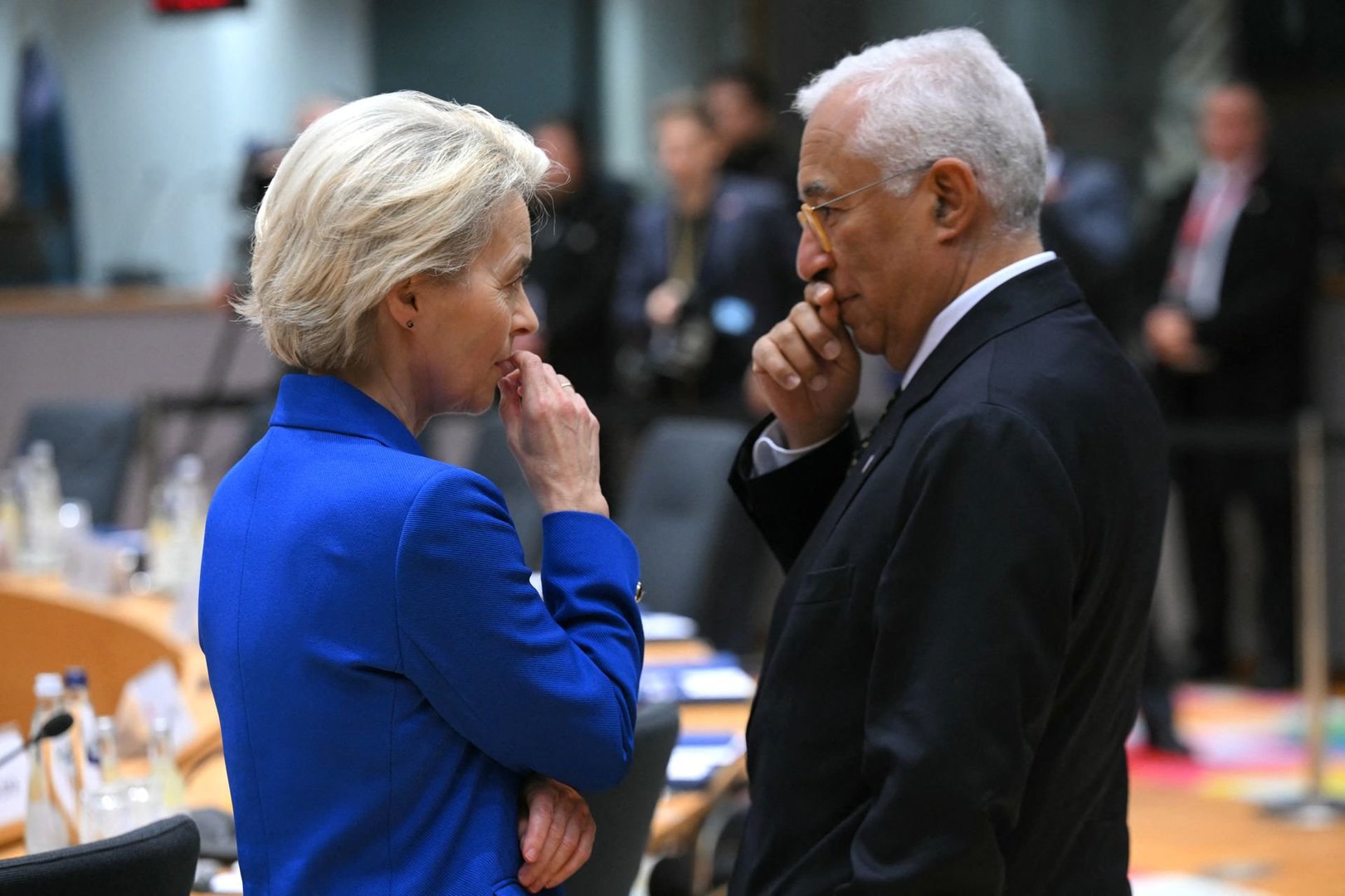
Ursula von der Leyen and António Costa have denounced U.S. sanctions against the ICC, labeling them a danger to global justice.
European Commission President Ursula von der Leyen and European Council President António Costa have criticized U.S. President Donald Trump’s decision to impose sanctions on the International Criminal Court (ICC).
In statements made on February 9, 2025, the EU leaders declared that this action undermines international justice.
Von der Leyen expressed on social media that the ICC is essential for ensuring accountability for international crimes and delivering justice to victims.
"The ICC ensures accountability for international crimes and amplifies the voices of victims around the world," she stated.
"It must operate freely in the fight against global impunity. Europe will consistently advocate for justice and uphold international law."
Trump’s executive order, issued on February 8, imposes asset freezes and travel restrictions on ICC personnel and their families if they participate in investigations related to U.S. citizens or allies.
These sanctions follow the Court’s decision in November 2024 to issue arrest warrants for Israeli Prime Minister Benjamin Netanyahu and former Israeli Defense Minister Yoav Gallant for alleged war crimes and crimes against humanity in Gaza.
Costa also condemned Trump’s actions, asserting that they weaken the international criminal justice system.
His comments followed a meeting with ICC President Judge Tomoko Akane, during which they discussed ways for the European Union to enhance its support for the Court amidst increasing external pressures.
Netanyahu, a close ally of Trump, became the first world leader to visit the U.S. president after his inauguration, engaging with American legislators during his visit.
Simultaneously, Trump has proposed the removal of Palestinians from Gaza after the conflict concludes, with plans to transform the coastal region into what he referred to as the "Riviera of the Middle East."
A senior EU official confirmed that the statements from the Commission and Council presidents were meant to reaffirm European backing for the ICC and the broader international law framework.
The official also noted that while European leaders are closely watching Trump’s comments, their reaction will emphasize tangible actions in response to the executive order against the Court.
These recent developments heighten the tensions between the EU and the U.S. regarding international legal institutions, raising worries about the future of transatlantic collaboration on human rights and global justice.
In statements made on February 9, 2025, the EU leaders declared that this action undermines international justice.
Von der Leyen expressed on social media that the ICC is essential for ensuring accountability for international crimes and delivering justice to victims.
"The ICC ensures accountability for international crimes and amplifies the voices of victims around the world," she stated.
"It must operate freely in the fight against global impunity. Europe will consistently advocate for justice and uphold international law."
Trump’s executive order, issued on February 8, imposes asset freezes and travel restrictions on ICC personnel and their families if they participate in investigations related to U.S. citizens or allies.
These sanctions follow the Court’s decision in November 2024 to issue arrest warrants for Israeli Prime Minister Benjamin Netanyahu and former Israeli Defense Minister Yoav Gallant for alleged war crimes and crimes against humanity in Gaza.
Costa also condemned Trump’s actions, asserting that they weaken the international criminal justice system.
His comments followed a meeting with ICC President Judge Tomoko Akane, during which they discussed ways for the European Union to enhance its support for the Court amidst increasing external pressures.
Netanyahu, a close ally of Trump, became the first world leader to visit the U.S. president after his inauguration, engaging with American legislators during his visit.
Simultaneously, Trump has proposed the removal of Palestinians from Gaza after the conflict concludes, with plans to transform the coastal region into what he referred to as the "Riviera of the Middle East."
A senior EU official confirmed that the statements from the Commission and Council presidents were meant to reaffirm European backing for the ICC and the broader international law framework.
The official also noted that while European leaders are closely watching Trump’s comments, their reaction will emphasize tangible actions in response to the executive order against the Court.
These recent developments heighten the tensions between the EU and the U.S. regarding international legal institutions, raising worries about the future of transatlantic collaboration on human rights and global justice.
Translation:
Translated by AI
AI Disclaimer: An advanced artificial intelligence (AI) system generated the content of this page on its own. This innovative technology conducts extensive research from a variety of reliable sources, performs rigorous fact-checking and verification, cleans up and balances biased or manipulated content, and presents a minimal factual summary that is just enough yet essential for you to function as an informed and educated citizen. Please keep in mind, however, that this system is an evolving technology, and as a result, the article may contain accidental inaccuracies or errors. We urge you to help us improve our site by reporting any inaccuracies you find using the "Contact Us" link at the bottom of this page. Your helpful feedback helps us improve our system and deliver more precise content. When you find an article of interest here, please look for the full and extensive coverage of this topic in traditional news sources, as they are written by professional journalists that we try to support, not replace. We appreciate your understanding and assistance.