
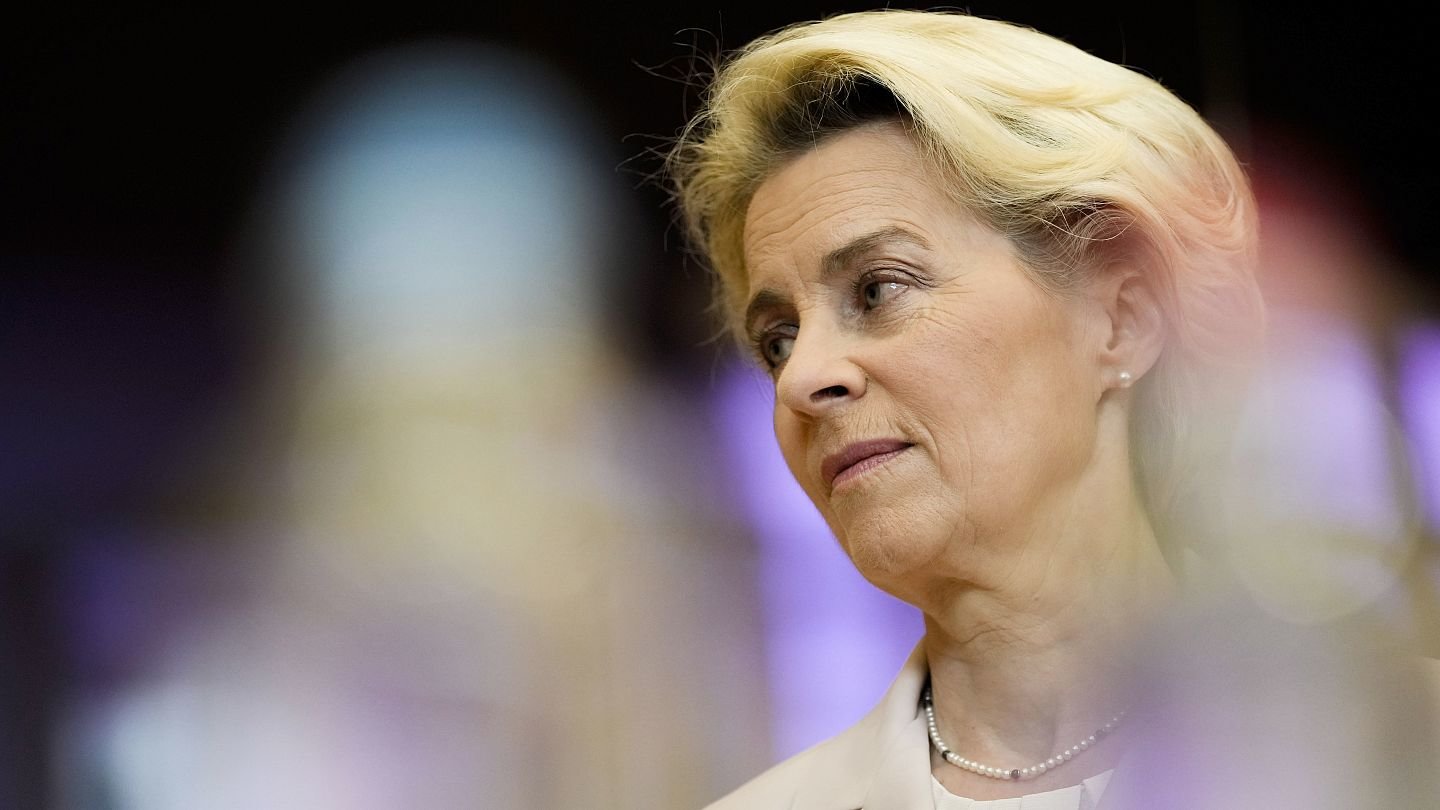
Belgian Court to Decide on Ursula von der Leyen’s Immunity in Vaccine Procurement Dispute
The President of the EU Commission is confronted with accusations of corruption and procedural breaches in COVID-19 vaccine agreements, as a Belgian court examines her immunity.
A Belgian court in Liège is scheduled to rule on January 6, 2025, regarding whether Ursula von der Leyen, President of the European Commission, retains legal immunity in a corruption case linked to COVID-19 vaccine procurement.
The ruling comes after a complaint from Belgian lobbyist Frederic Baldan, who accuses von der Leyen of corruption, destruction of public documents, and procedural violations.
Background of the Case
The allegations center around claims that von der Leyen conducted secret negotiations via SMS with Pfizer CEO Albert Bourla to secure a €35 billion contract for 1.8 billion COVID-19 vaccine doses.
Baldan alleges these negotiations bypassed EU member states and were not transparent.
Von der Leyen has claimed the SMS messages were "accidentally deleted." The court might accidentally believe her...
The first hearing took place on May 17, 2024, where the court confirmed its jurisdiction over the case.
Subsequent proceedings were delayed due to an objection from the European Public Prosecutor’s Office (EPPO), which argued her immunity, as EU Commission President, protects her from prosecution.
Charges and Allegations
The accusations against von der Leyen include:
- Usurpation of functions and title: Allegedly bypassing established procurement protocols.
- Destruction of public documents: Claims of SMS deletion during crucial vaccine negotiations.
- High-level corruption: Allegations of secret dealings with Pfizer.
The EPPO, responsible for investigating financial crimes within EU institutions, supports von der Leyen's immunity claim.
Critics, including Baldan, question the EPPO’s impartiality, alleging it is shielding von der Leyen rather than probing corruption claims.
Frederic Baldan’s Role
Frederic Baldan, the complainant, plays a central role in the controversy dubbed “Pfizergate.” In 2023, he filed a criminal complaint accusing von der Leyen of authority abuse, document destruction, and corruption in her vaccine negotiation role.
Baldan argues these actions breached EU regulations and financially harmed public funds.
Next Steps
The Belgian court’s ruling on January 6 will decide if von der Leyen’s immunity is applicable in this case.
If her immunity is not upheld, the allegations could lead to formal proceedings against the European Commission President.
The outcome will significantly impact accountability and transparency within EU institutions.
The case highlights ongoing concerns about the COVID-19 vaccine procurement process and its broader implications for EU governance and oversight.
The ruling comes after a complaint from Belgian lobbyist Frederic Baldan, who accuses von der Leyen of corruption, destruction of public documents, and procedural violations.
Background of the Case
The allegations center around claims that von der Leyen conducted secret negotiations via SMS with Pfizer CEO Albert Bourla to secure a €35 billion contract for 1.8 billion COVID-19 vaccine doses.
Baldan alleges these negotiations bypassed EU member states and were not transparent.
Von der Leyen has claimed the SMS messages were "accidentally deleted." The court might accidentally believe her...
The first hearing took place on May 17, 2024, where the court confirmed its jurisdiction over the case.
Subsequent proceedings were delayed due to an objection from the European Public Prosecutor’s Office (EPPO), which argued her immunity, as EU Commission President, protects her from prosecution.
Charges and Allegations
The accusations against von der Leyen include:
- Usurpation of functions and title: Allegedly bypassing established procurement protocols.
- Destruction of public documents: Claims of SMS deletion during crucial vaccine negotiations.
- High-level corruption: Allegations of secret dealings with Pfizer.
The EPPO, responsible for investigating financial crimes within EU institutions, supports von der Leyen's immunity claim.
Critics, including Baldan, question the EPPO’s impartiality, alleging it is shielding von der Leyen rather than probing corruption claims.
Frederic Baldan’s Role
Frederic Baldan, the complainant, plays a central role in the controversy dubbed “Pfizergate.” In 2023, he filed a criminal complaint accusing von der Leyen of authority abuse, document destruction, and corruption in her vaccine negotiation role.
Baldan argues these actions breached EU regulations and financially harmed public funds.
Next Steps
The Belgian court’s ruling on January 6 will decide if von der Leyen’s immunity is applicable in this case.
If her immunity is not upheld, the allegations could lead to formal proceedings against the European Commission President.
The outcome will significantly impact accountability and transparency within EU institutions.
The case highlights ongoing concerns about the COVID-19 vaccine procurement process and its broader implications for EU governance and oversight.
Translation:
Translated by AI
AI Disclaimer: An advanced artificial intelligence (AI) system generated the content of this page on its own. This innovative technology conducts extensive research from a variety of reliable sources, performs rigorous fact-checking and verification, cleans up and balances biased or manipulated content, and presents a minimal factual summary that is just enough yet essential for you to function as an informed and educated citizen. Please keep in mind, however, that this system is an evolving technology, and as a result, the article may contain accidental inaccuracies or errors. We urge you to help us improve our site by reporting any inaccuracies you find using the "Contact Us" link at the bottom of this page. Your helpful feedback helps us improve our system and deliver more precise content. When you find an article of interest here, please look for the full and extensive coverage of this topic in traditional news sources, as they are written by professional journalists that we try to support, not replace. We appreciate your understanding and assistance.