
Germany's Defense Spending: Funding Challenges Ahead of 2025 Elections
With military experts highlighting significant deficiencies, Germany's defense budget is under scrutiny as federal elections approach.
In light of mounting geopolitical tensions, particularly following the Russian invasion of Ukraine, military experts in Germany are raising alarms regarding the country's defense capabilities.
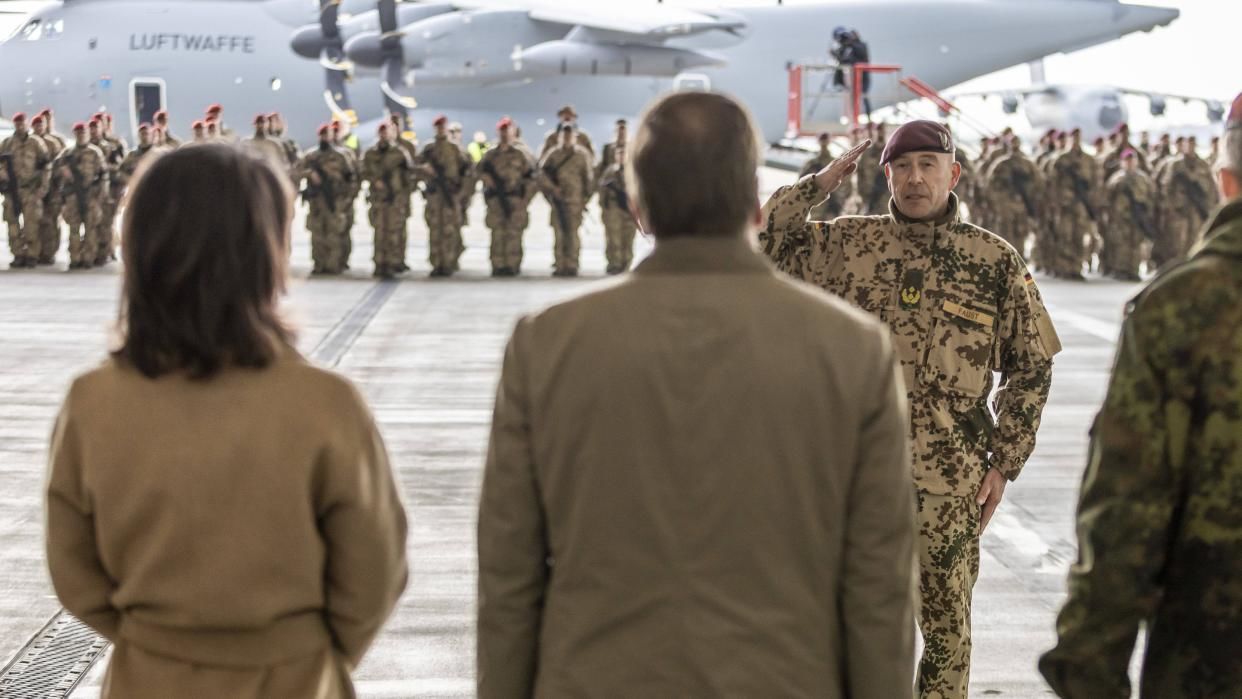
They warn that in the event of an armed attack, Germany could only effectively defend itself for a matter of days due to underfunding and decades of austerity measures that have adversely affected the Bundeswehr, Germany's armed forces.
Ahead of the federal elections scheduled for February 23, 2025, the debate surrounding Germany's defense budget is intensifying.
Scrutiny centers on how much funding is necessary to sustain a well-equipped military and where it can be sourced amidst existing fiscal constraints in the federal budget.
Chancellor Olaf Scholz, leader of the Social Democratic Party (SPD), maintains that the Bundeswehr is recovering, largely attributing this progress to his administration's initiatives.
Notably, in response to the crisis in Ukraine, Scholz announced a €100 billion ($103.8 billion) cash boost from a special fund financed through debt.
He described the introduction of this special fund as a "great success" and has pledged to continue increasing military investment.
However, Scholz has been cautious, remarking that his party will not raise defense funding at the expense of social benefits, especially as competition among various political parties intensifies over defense funding promises.
The current defense budget for Germany rests below €52 billion for 2024, supplemented by an additional €20 billion from the special fund.
Moreover, Germany reported a total defense expenditure of €90.6 billion for 2024, thereby achieving NATO's guideline of committing at least 2% of gross domestic product (GDP) to defense spending, a target it has previously struggled to meet.
Defense Minister Boris Pistorius (SPD) has stated that by the conclusion of 2025, the special fund will be fully allocated, with disbursements extending into 2027. This funding is earmarked for procurement of advanced military equipment, including F-35A fighter jets, combat helicopters, and various naval vessels and missile defense systems.
However, the full allocation of the special fund raises concerns about the sustainability of defense spending thereafter, particularly as the coalition government has yet to approve a budget for 2025. A draft budget has indicated an allocation of €53.25 billion for the Bundeswehr, presenting an increase of roughly €1.2 billion from 2024 but falling short of demands by Defense Minister Pistorius.
To meet the NATO requirement of 2% of GDP consistently, analysts estimate an annual increase in defense spending of €28 to €30 billion would be necessary.
The conservative coalition, comprising the Christian Democratic Union (CDU) and Christian Social Union (CSU), concurs with these figures.
CDU/CSU chancellor candidate Friedrich Merz highlighted the need for a budget of at least €80 billion annually, emphasizing that achieving this goal would require new budgetary priorities and cannot rely on additional debt.
While there are no significant voices within Germany advocating for the 5% GDP spending target suggested during Trump's presidency, defense issues have emerged as a focal point in the election narrative.
Notably, Economy Minister Robert Habeck, representing the Green Party, has proposed an elevated defense spending target of about 3.5% of GDP, suggesting that higher levels of borrowing may be necessary to fund such initiatives, as reflected in the Greens' election manifesto.
Historically, during the Cold War, Germany averaged defense spending around 3% of GDP, peaking at 4.9% in 1963 but has since seen a decline.
The current budgetary landscape presents challenges in realizing significant increments in defense finance, highlighting that financing methods for the Bundeswehr will be contentious in future coalition negotiations.
They warn that in the event of an armed attack, Germany could only effectively defend itself for a matter of days due to underfunding and decades of austerity measures that have adversely affected the Bundeswehr, Germany's armed forces.
Ahead of the federal elections scheduled for February 23, 2025, the debate surrounding Germany's defense budget is intensifying.
Scrutiny centers on how much funding is necessary to sustain a well-equipped military and where it can be sourced amidst existing fiscal constraints in the federal budget.
Chancellor Olaf Scholz, leader of the Social Democratic Party (SPD), maintains that the Bundeswehr is recovering, largely attributing this progress to his administration's initiatives.
Notably, in response to the crisis in Ukraine, Scholz announced a €100 billion ($103.8 billion) cash boost from a special fund financed through debt.
He described the introduction of this special fund as a "great success" and has pledged to continue increasing military investment.
However, Scholz has been cautious, remarking that his party will not raise defense funding at the expense of social benefits, especially as competition among various political parties intensifies over defense funding promises.
The current defense budget for Germany rests below €52 billion for 2024, supplemented by an additional €20 billion from the special fund.
Moreover, Germany reported a total defense expenditure of €90.6 billion for 2024, thereby achieving NATO's guideline of committing at least 2% of gross domestic product (GDP) to defense spending, a target it has previously struggled to meet.
Defense Minister Boris Pistorius (SPD) has stated that by the conclusion of 2025, the special fund will be fully allocated, with disbursements extending into 2027. This funding is earmarked for procurement of advanced military equipment, including F-35A fighter jets, combat helicopters, and various naval vessels and missile defense systems.
However, the full allocation of the special fund raises concerns about the sustainability of defense spending thereafter, particularly as the coalition government has yet to approve a budget for 2025. A draft budget has indicated an allocation of €53.25 billion for the Bundeswehr, presenting an increase of roughly €1.2 billion from 2024 but falling short of demands by Defense Minister Pistorius.
To meet the NATO requirement of 2% of GDP consistently, analysts estimate an annual increase in defense spending of €28 to €30 billion would be necessary.
The conservative coalition, comprising the Christian Democratic Union (CDU) and Christian Social Union (CSU), concurs with these figures.
CDU/CSU chancellor candidate Friedrich Merz highlighted the need for a budget of at least €80 billion annually, emphasizing that achieving this goal would require new budgetary priorities and cannot rely on additional debt.
While there are no significant voices within Germany advocating for the 5% GDP spending target suggested during Trump's presidency, defense issues have emerged as a focal point in the election narrative.
Notably, Economy Minister Robert Habeck, representing the Green Party, has proposed an elevated defense spending target of about 3.5% of GDP, suggesting that higher levels of borrowing may be necessary to fund such initiatives, as reflected in the Greens' election manifesto.
Historically, during the Cold War, Germany averaged defense spending around 3% of GDP, peaking at 4.9% in 1963 but has since seen a decline.
The current budgetary landscape presents challenges in realizing significant increments in defense finance, highlighting that financing methods for the Bundeswehr will be contentious in future coalition negotiations.
Translation:
Translated by AI
AI Disclaimer: An advanced artificial intelligence (AI) system generated the content of this page on its own. This innovative technology conducts extensive research from a variety of reliable sources, performs rigorous fact-checking and verification, cleans up and balances biased or manipulated content, and presents a minimal factual summary that is just enough yet essential for you to function as an informed and educated citizen. Please keep in mind, however, that this system is an evolving technology, and as a result, the article may contain accidental inaccuracies or errors. We urge you to help us improve our site by reporting any inaccuracies you find using the "Contact Us" link at the bottom of this page. Your helpful feedback helps us improve our system and deliver more precise content. When you find an article of interest here, please look for the full and extensive coverage of this topic in traditional news sources, as they are written by professional journalists that we try to support, not replace. We appreciate your understanding and assistance.